Planning a future trip to France and looking for a place that feels easy to organise yet genuinely different? Île de Ré holidays are often associated with bike rides, beaches and whitewashed villages—but it helps to know what’s actually there, how it works on the ground, and whether it fits your travel style.
This guide answers one question first: why you should visit Île de Ré, with ten concrete reasons you can picture (and explain to your travel companions). Then it moves to the practical bits people worry about: getting to the island, getting around without stress, choosing the best time to go, and picking the right village to stay in.
What you can decide quickly about Île de Ré
- If you like moving around by bike between villages, the island is built for that kind of holiday.
- If you want variety without long drives, the “ten villages” set-up makes planning simple.
- If you’re worried it might be overrated, focus on specific experiences (markets, ports, salt marshes) rather than hype.
- If logistics are your main concern, the bridge access and village-based bases make the trip straightforward once you know the rules.
Why Is Île de Ré One of France’s Most Loved Islands?
Direct answer: Île de Ré stands out because it’s a compact island made up of ten distinct villages, where daily life revolves around ports, markets, beaches and cycling—so your itinerary can feel “local” without being complicated.
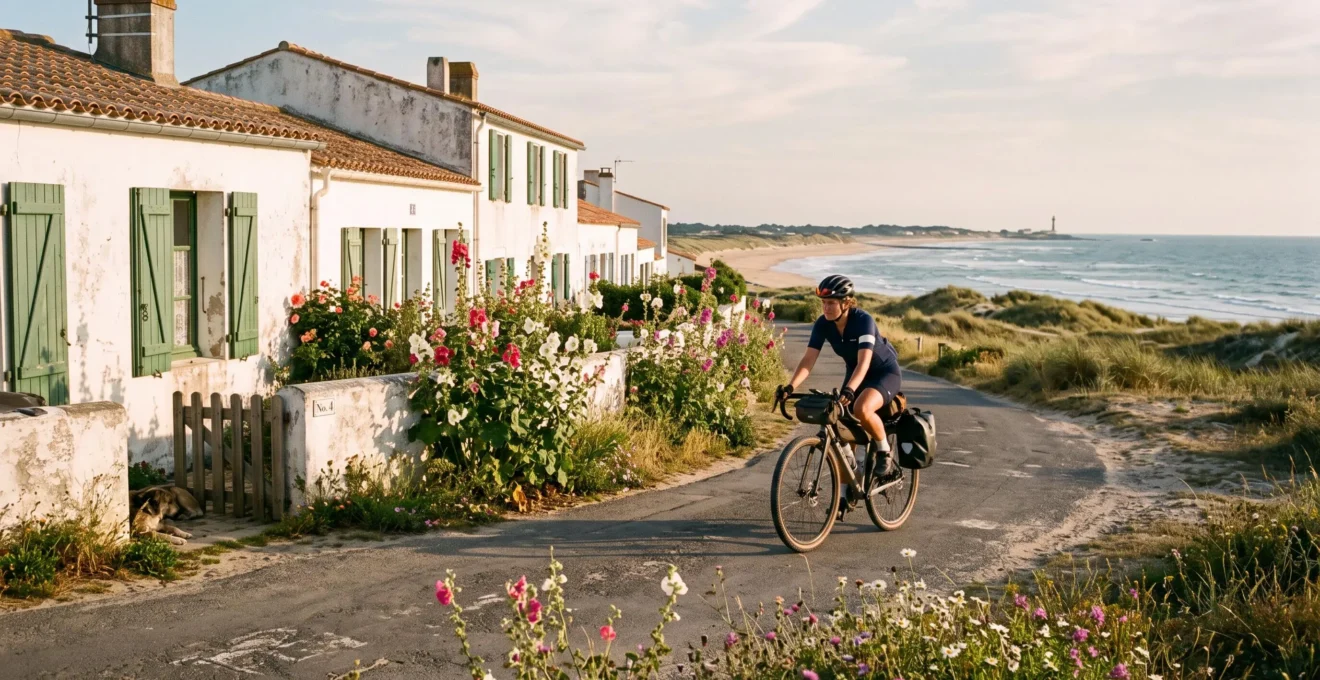
The island’s appeal is easier to understand with a simple image: a morning in Saint-Martin-de-Ré, bikes leaning against the harbour railings, a market shopfront nearby, and people heading out towards the beaches or salt marshes without needing a big plan. You get that “holiday rhythm” quickly—especially if your base is walkable.
What makes it different from some headline French destinations is the way experiences are spread across villages rather than concentrated in one must-see spot. The official tourist office notes that ten distinct villages of Île de Ré make up the island, each with its own character—useful if your group can’t agree on one vibe.
The island also has long-standing local activities that you can still see in place (rather than staged for visitors): oyster farming, winegrowing and salt production are specifically highlighted by the Tourist Office. That doesn’t guarantee you’ll avoid crowds in peak season, but it does give you a clearer way to judge whether it’s “worth it”: look for real, nameable places you want to spend time in, village by village.
How to use this section to decide: if your ideal France break is built around short distances, outdoor time and a base in a recognisable village centre, Île de Ré is a strong candidate. If you need big-city nightlife every night, you may find it quieter than you expect.
10 Reasons to Visit Île de Ré
These ten reasons are designed to be specific enough to help you plan—each one points to a tangible experience you can build into a real itinerary (villages, ports, beaches, local traditions). If you’re asking “Is Île de Ré worth visiting?” for a first trip to France, the most convincing answer is whether these experiences match what you want your days to look like.
1) Ten villages, ten different bases for your holiday
Reason: You can choose a village that matches your pace—then branch out for day trips without constant packing and unpacking.
How it plays out: Base yourself near the harbour in Saint-Martin-de-Ré for an “evening stroll” feel, or pick a smaller village atmosphere if your priority is calm mornings and easy bike rides. The key is that the island’s identity is not one town but a network of villages, which keeps planning flexible.
2) Cycling is not an add-on—it’s the most natural way to explore
Reason: Cycle paths link beaches, villages and nature areas, so you can actually build your days around two wheels rather than driving and parking.
Practical decision tip: If your group includes mixed abilities, plan “short hops” between two neighbouring villages, with a market stop and a beach break. It’s a simple way to keep everyone happy without a rigid schedule.
3) Beaches that fit different moods (not just one main strand)
Reason: On an island trip, variety matters: you’ll likely want one beach for long lounging, another for a quick dip after a cycle ride, and another for a windier walk.
How to use it: When you choose where to stay, look at how quickly you can reach a beach by bike or on foot from your accommodation. If it’s easy, you’ll use the coastline more often—especially in shoulder season when the light is beautiful but you may not plan whole “beach days”.
4) Ports and harbour life that give evenings an easy structure
Reason: Many days end naturally around a port: a waterside walk, watching boats come in, and finding a simple dinner nearby.
Where this matters: If you’re travelling with family or you don’t want to drive at night, staying near a harbour (for example in Saint-Martin-de-Ré) can reduce the “where do we go now?” friction.
5) Markets that make self-catering feel like part of the holiday
Reason: If you rent a house or apartment, local markets are the difference between “cooking at home” and “eating like you’re on holiday”.
Decision tip: Pick a village where you can reach shops and a market by foot or bike. That way, you can keep a flexible routine—picnic one day, restaurant the next—without the trip turning into supermarket runs.
6) Salt marsh landscapes and a sense of working island traditions
Reason: The island’s traditional activities aren’t abstract: salt production is part of what shapes the scenery, and it’s often one of the most photogenic parts of a cycle ride.
Why it helps with the “overrated?” worry: A landscape tied to an identifiable local practice tends to feel more grounded than a single “Instagram spot”.
7) Oyster-farming culture you can connect to real places
Reason: Oyster farming is named by the official tourist office as part of the island’s long-standing know-how, and it gives you a concrete “food experience” beyond generic seaside dining.
How to plan it: Instead of trying to do everything, build one slow afternoon around a coastal ride and a seafood-focused meal. It’s a simple “anchor day” that often becomes the trip highlight.
8) An island that works well for short breaks as well as week-long stays
Reason: The island is structured in manageable chunks: one day for a couple of villages and a beach, another for salt marsh scenery and ports, without needing long-distance travel.
Who this suits: Couples on a long weekend, or families who want a week where the days feel full but not hectic.
9) Whitewashed architecture and village streets made for wandering
Reason: Some places are best “done” by walking aimlessly for an hour—Île de Ré’s village streets, shutters and small squares reward that style of travel.
Practical tip: Choose accommodation where you can start a walk straight from your door (rather than driving into a centre). It’s a small choice that changes the feel of the whole holiday.
10) It’s easy to build a trip where everyone gets “their” thing
Reason: The island naturally mixes a few holiday priorities—beach time, gentle activity, village life, and food—without forcing you into one headline attraction.
Use it to convince your entourage: Pitch it as a “choose-your-own-day” destination: cyclists can loop between villages, beach-lovers can stay near the coast, and everyone meets again for the market and the port in the evening.
Quick reality check: None of the above eliminates crowds in peak weeks. The point is that the island gives you multiple alternatives—so if one area feels busy, you can shift your day to a different village or coastline stretch.
How Do You Get to Île de Ré and Get Around?
Direct answer: Most visitors access Île de Ré via the bridge from the mainland; once on the island, cycling is one of the simplest ways to move between villages.
If you’re organising the trip for a group, the main stress points are usually (1) what the bridge crossing costs, (2) whether you need a car all week, and (3) how to avoid day-to-day logistics eating into holiday time.
On bridge access and pricing, the official Tourist Office provides seasonal toll rates. According to Île de Ré bridge toll rates, the return ticket is €4 in low season, €8 in medium season and €16 in high season, and pedestrians and cyclists cross free of charge. They also specify that the toll is paid only when entering the island and that the bridge is open 24/7.
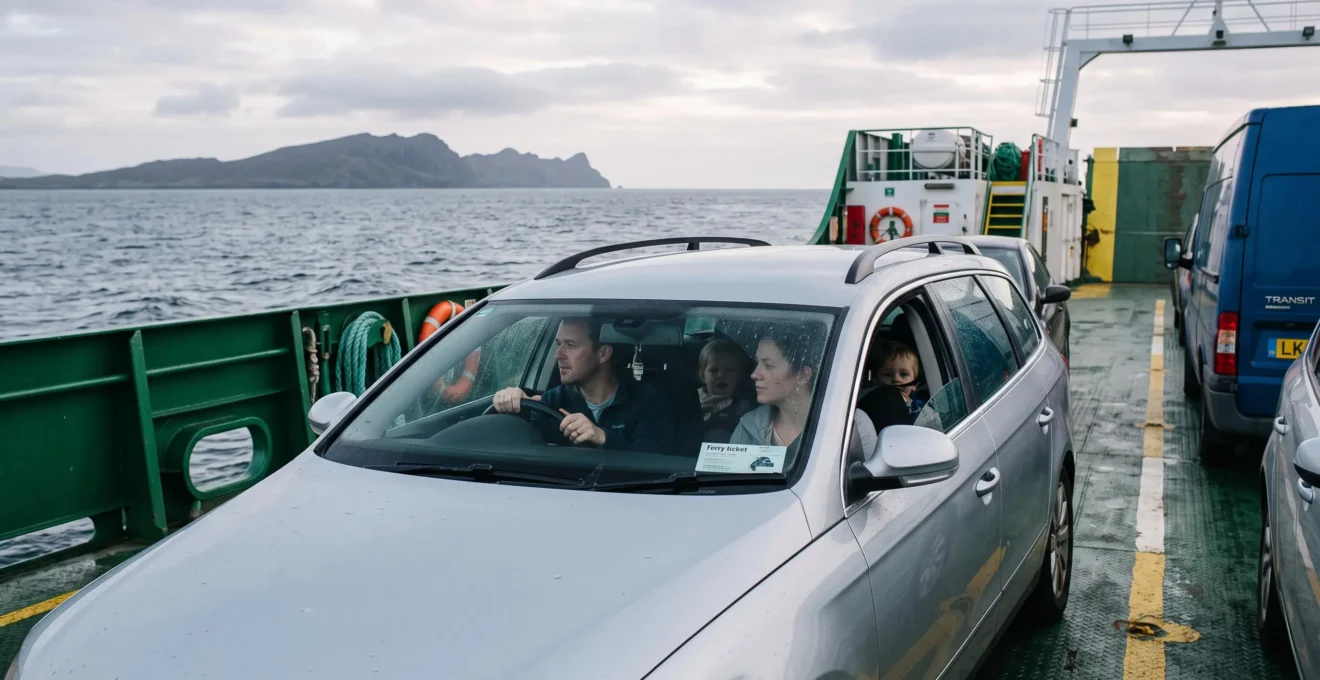
A practical limit to keep in mind: toll seasons and rules can change, so it’s worth checking the latest details close to your travel dates via the Tourist Office or the bridge authority.
For travellers who prefer to avoid driving daily, the island’s “village-to-village” set-up makes car-free days realistic: pick a base where you can reach shops and the first cycle paths quickly, then use bikes for most outings. Keeping a car can still be useful for arrival day and luggage, but you may not need it for every trip once you’re settled.
If you want an extra confidence check on the toll policy logic, the Département de la Charente-Maritime (which manages the bridge) explains that it adapted seasons and introduced a low-traffic tariff period from 15 November to 1 March starting in 2025, as described in its update on updated Île de Ré toll pricing policy.
- Choose your base village first
Pick the village where you want to spend your mornings and evenings (port, market access, beach proximity), then organise everything else around it.
- Plan arrival with “friction reducers”
If you’re driving, allow time for the bridge approach at busy periods and arrive with a basic food plan for the first evening so you’re not hunting for shopping straight away.
- Switch to bikes early
Once you’ve dropped luggage, aim to do your first outing by bike: it sets the rhythm and avoids the “where do we park?” problem.
When Is the Best Time to Visit Île de Ré?
Direct answer: The best time to visit Île de Ré depends on whether you prioritise lively atmosphere and warm beach days (high season) or calmer cycling and easier bookings (shoulder season).
If your main goal is beaches and a classic summer feel, you’ll naturally look at the busiest period. The trade-off is that popular village centres and simple accommodation tend to book out earlier, and you’ll want to be more organised about meal times and parking if you keep a car.
If you care more about cycling, markets and village life without the densest crowds, a shoulder-season trip can feel more relaxed. You may trade guaranteed hot swimming weather for easier logistics and a more “local pace” in the ports and lanes.
Because seasonality affects not just crowd levels but also bridge toll pricing, it’s smart to cross-check your dates with the Tourist Office’s guidance on getting to the island (and the toll seasons). That way, your budget and your expectations line up.
A quick way to decide: if your group includes small children who need predictable beach weather, lean towards summer weeks and book early. If your group is motivated by long bike days and photography-friendly light, consider shoulder season and focus on village-hopping.
Where Should You Stay on Île de Ré?
Direct answer: Choose where to stay on Île de Ré by matching your village to your routine: harbour evenings and walkability (often around Saint-Martin-de-Ré), or a quieter base if you want calmer nights and quick access to cycle rides.
If logistics are your biggest objection (“Will this be a headache to organise?”), the accommodation choice is what simplifies everything. The easiest stays usually share three traits: you can reach a village centre without driving, you have straightforward access to cycle paths, and you can get to a beach or coastline walk without turning it into a day-long plan.
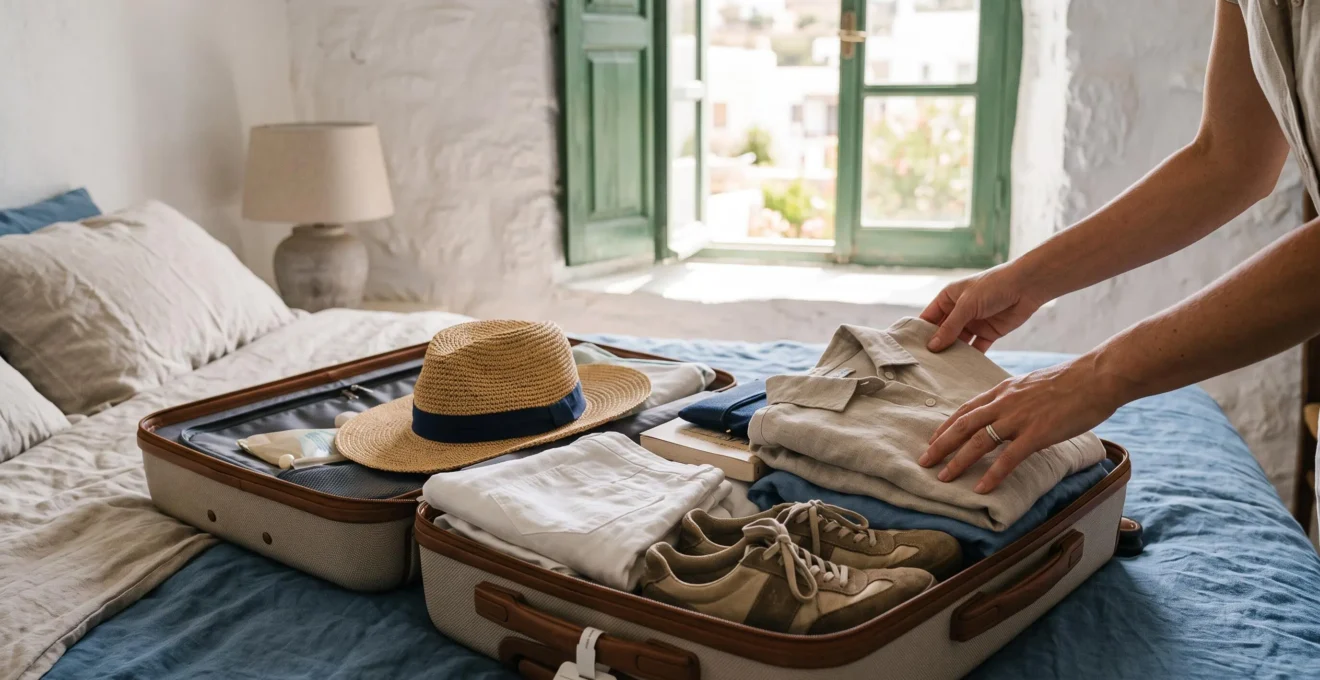
For many UK travellers, a holiday rental (house or apartment) makes sense here: it fits the market-and-picnic rhythm, gives you space for bikes, and reduces the need to plan every meal. If you’re weighing up whether that style will suit your group, this piece on the appeal of holiday cottages can help you frame the pros and cons before you book.
Hypothetical examples to guide your choice: a family might prioritise being able to walk to a bakery and cycle safely to the beach (fewer car journeys, easier mornings). A couple on a long weekend might prefer being close to a harbour for evening atmosphere and short, scenic rides between villages.
Whichever village you choose, the decision becomes much easier if you agree your non-negotiables upfront: walkability, bike storage, and whether you want to be in the centre (lively) or slightly outside it (quieter). Those three criteria usually do more for holiday satisfaction than chasing a “perfect” address.
Is Île de Ré worth visiting for a first trip to France?
It can be, if you want a France trip focused on villages, beaches and getting around by bike rather than museums and big-city sightseeing. The island is made up of ten villages (per the official Tourist Office), which helps first-timers build an itinerary without long drives.
Can you get around Île de Ré without a car?
Yes for many visitors, as long as you choose accommodation with easy access to village centres and cycle routes. A car can be useful on arrival day for luggage, but the day-to-day holiday often works best on bikes for short hops between villages and beaches.
How do I get to Île de Ré and get around once there?
You typically reach the island via the bridge from the mainland; the official Tourist Office publishes seasonal toll rates and notes that pedestrians and cyclists cross free of charge. Once you’re on the island, plan village-to-village trips by bike to keep logistics simple.
When is the best time of year to go to Île de Ré?
Choose high season if you prioritise classic summer beach days and a lively atmosphere; choose shoulder season if you prefer calmer cycling and simpler booking logistics. Toll seasons on the bridge vary too, so check current details close to your dates.
Where should we stay on Île de Ré for a family holiday?
Aim for a village where you can walk to everyday essentials (bakery, shops) and reach beaches or coastal rides without driving. In practical terms, a holiday rental with bike storage and good walkability often makes family routines easier.
If the ten reasons above match your idea of a well-organised, outdoorsy break, Île de Ré is the kind of place where a simple plan works best: pick the right village base, arrive smoothly via the bridge, then let bikes and short distances shape your days.